There are so many ways for creative sewers to be inspired by
designs, patterns, and notions from decades past, when elegant details
and fine construction methods were a part of every seamstress's
knowledge base. Fortunately, Marlene Blessing, Interweave's multitalented editorial director for jewelry and beading publications, wrote Vintage Modern, a fantastic feature article in Stitch Spring 2010
(our current issue), to pave the way. Marlene's article walks you
through myriad ways to explore the treasures of vintage sewing, from
patterns to alteration basics for garments, with terrific resource links
for vintage fabric, patterns, notions, and inspiration.
The
Internet is a huge resource for vintage inspiration, but it's even more
fun to unearth gems right in your neighborhood. Many long-time sewers
never throw away a pattern, a button, or a length of fabric, so ask your
neighbors, your mothers, your aunts and your grandmothers if they just
happen to have a stash you can look through. Go to garage sales and
estate sales; occasionally estate sale ads will even mention a
collection of sewing-related goods. Those who don't sew are usually
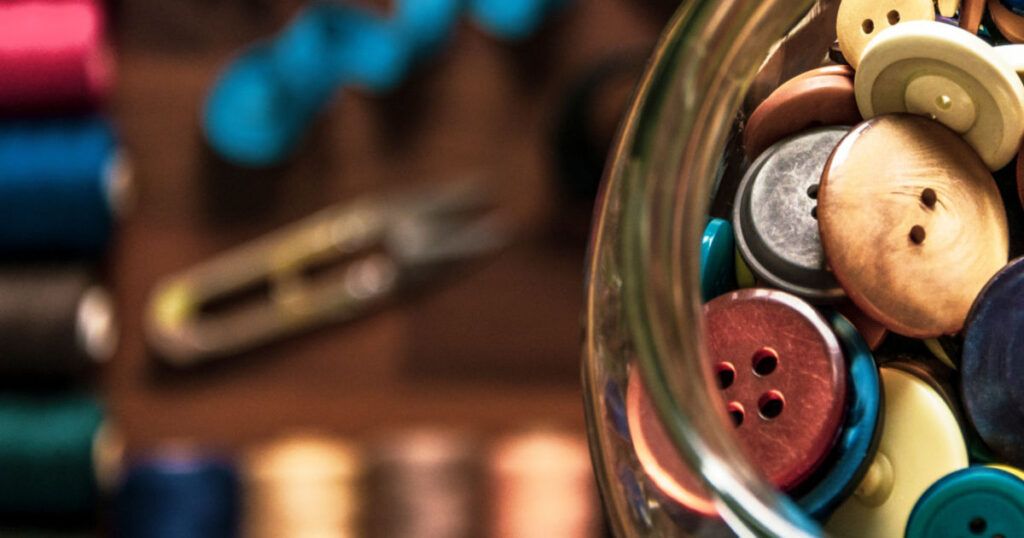
willing to part with sewing items for a song. You might find a jar
packed full of buttons for a dollar, or dozens of old patterns for 25
cents each; you've got very little to lose by snapping them up!
More vintage ideas:
- Thrift and secondhand shops are tried-and-true sources for garments
that can be restyled, old linens and lace curtains that can become part
of something new, and great vintage accessories. If you find a designer
garment in excellent condition, though, don't take it apart; buy it and
make something modern to go with it!
- Shop better vintage-clothing stores for visual inspiration, even if
you can't afford that 1960s Valentino dress. Carry a six-inch plastic
ruler in your purse so you can measure details, like the width of a
pleat or depth of a ruffle, and recreate them at home.
- Don't be afraid of vintage patterns! Marlene's guidelines will keep
you on track. One of her tips: Sew a vintage pattern with a 1/2" seam
allowance overall instead of a standard 5/8" seam allowance, if you need
just little more breathing room than the pattern measurements allow. Or
just use them for inspiration on details, like the back bodice
treatments in Simplicity 3965, at left.
- Be an expert at deconstruction: buy worn vintage handbags just for the hardware, and dated jewelry for the beads.
- Vogue and Butterick also reissue vintage patterns with modern sizing - a great way to get used to sewing vintage style in sizes you're
accustomed to.
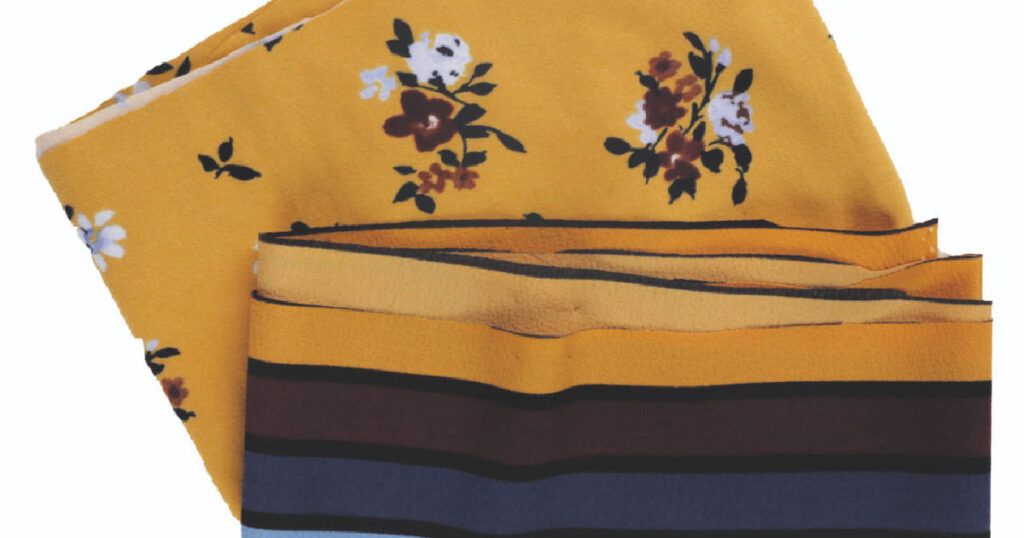
- Vintage fabrics can be wonderful, but you can also find reproduction
fabrics that give you a vintage look in new fabric that might be easier
to sew and care for, especially for children's clothing and home decor.
Look for charming 1940s cowboy prints, or bark cloth with big tropical
flower repeats.
- Look at men's clothing, too. You might find a shirt in a gorgeous
fabric that you can take apart, or a tweed jacket that you can size down
and trim with velvet ribbon or lace.
- Old sewing machines are decorative, but some are also coveted by
sewists who love the stitch quality. If you see a Singer Featherweight
in working condition, it can be a great addition to your sewing room.
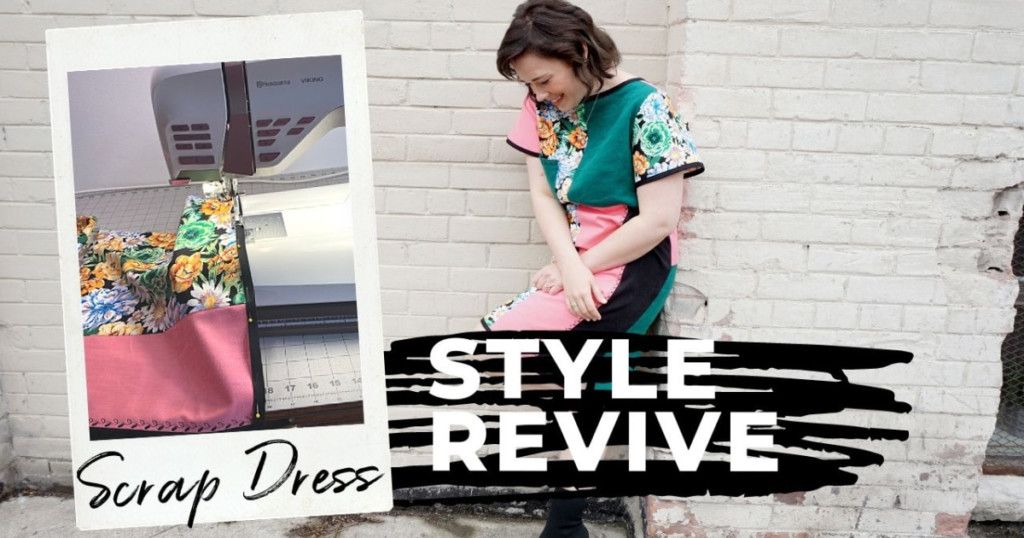
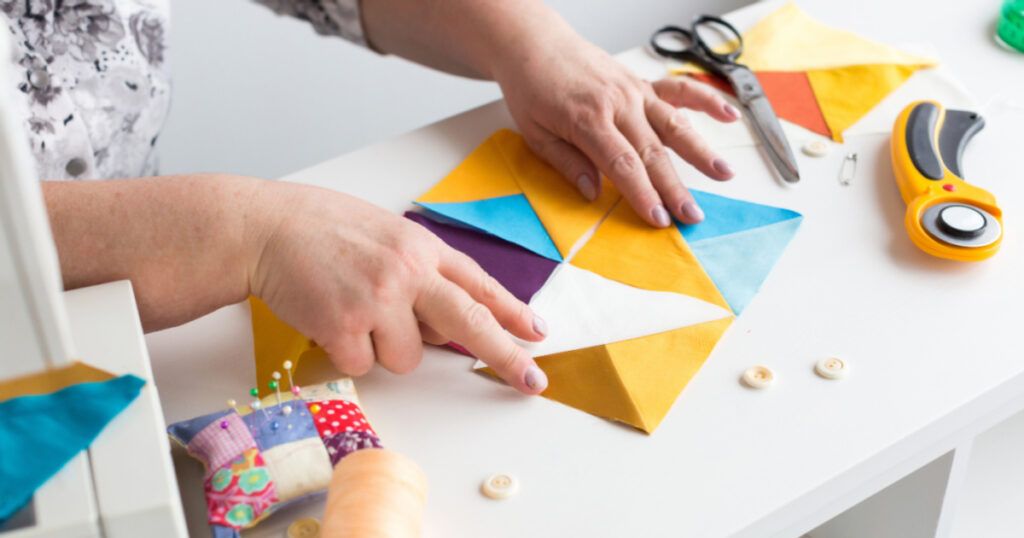
- Even small pieces of usable fabric can be a joy to work with. Julie Grieve of Preloved shows off her quilt of reclaimed fabrics, at right.
Making the most of vintage garments, fabrics, and patterns is
creative and fun, and can also be environmentally sound and economical.
Why not start this weekend? And don't forget to let us know what you're
making, and what you'd like to see more of in Stitch.
Happy stitching!
Top right: A collection of vintage buttons; left center, a vintage
Simplicity pattern; lower right, Julie Grieve of Preloved makes quilts
of reclaimed fabrics.