Machine Quilting Made Easy
No matter
what you like to sew, having the right supplies can make all the
difference. The right sewing supplies can make sewing easier, highlight
the design, and make your project last longer. As
a newbie quilter, I'm always looking for tips on how to choose the best
quilting supplies for my projects. Quilt artist Judy Coates Perez wrote
a great article on this in the October/November 2011 issue of Quilting Arts, titled Machine Quilting: A Guide to Success.
She reinforces how easy machine quilting can be if you are armed with
just a few simple tips and the right supplies. Here she talks about two
key supplies, batting and thread.
|

"Primordial Sea" by Judy Coates Perez uses machine quilting to represent flowing water.

"Moon Garden" by Judy Coates Perez uses features hidden imagery in the machine quilted background.
|

|
Batting
There
are a variety of battings on the market made from cotton, bamboo, silk,
wool, and polyester fibers. Each type of batting has features that suit
various kinds of projects. Over the years I have used a number of them
and found that I prefer wool batting.
Wool
batting has moderate loft, which gives beautiful stitch definition. If
there is less stitching, the quilt will be thicker and somewhat puffy,
and if the stitching is dense the quilt will be flat and thin, adding
depth to your quilted design. Wool is lightweight and can compress,
making it easier to manipulate under the arm of your sewing machine.
Another
plus to wool batting is that if the finished quilt is folded at some
point, a crease in a quilt with wool batting will often just fall out or
disappear with a puff of steam, while cotton batting will hold that
crease making it very difficult to remove, and even require re-blocking
the quilt.
Ideally,
it's best to buy batting by the yard off the bolt, because the batt has
not been compressed by the packaging. To prepare a packaged wool batt,
lay it out flat and either mist it with water and let it air dry, or
steam it and it will return to its natural smooth loft.
Thread
The
choice of thread depends on whether you want the quilting to be very
visible, making it a distinct design element, or whether you want the
quilting to blend in with the fabric underneath. Here are a few things
to consider when selecting thread:
- If you want strong visual lines, choose heavier weights of cotton,
polyester, or metallic threads that are darker, lighter, or a
complementary color to the fabric.
- When using metallic threads, be sure to use a needle with a large eye like a topstitching needle, and slow down when stitching.
- If you want the quilting to have subtle texture and blend with the
fabric, choose lightweight polyester or silk threads that are close in
value and color.
- Consider using thread to deepen shadows or create highlights by
choosing thread colors that are lighter or darker than the fabric.
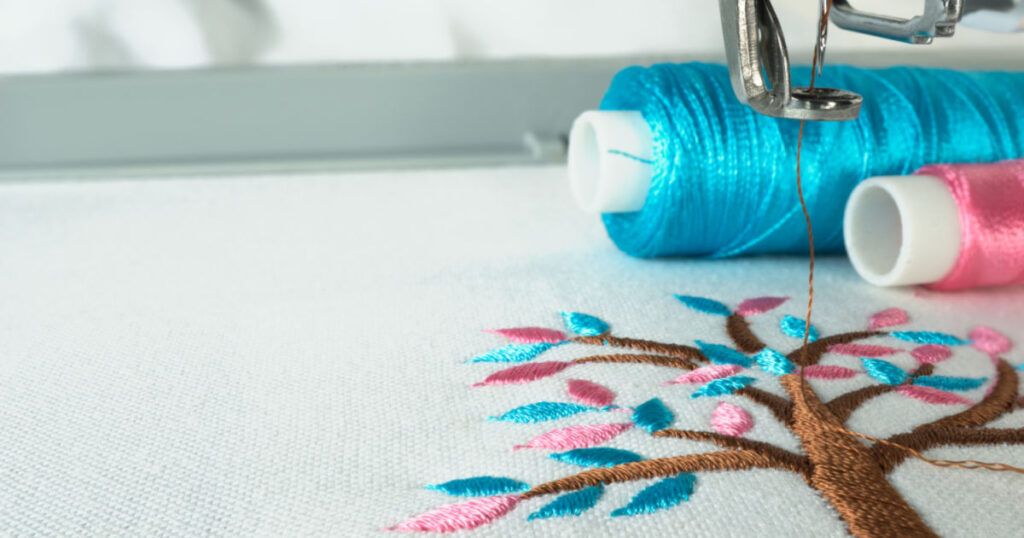
- Try rayon or premium trilobal polyester thread to give quilt stitches a lustrous sheen.
You'll find more great tips from Judy, plus a wealth of other talented quilt artists in the pages of Quilting Arts Magazine. With such great instruction, inspiration, and expert guidance, you will be quilting like a pro in no time!
Happy sewing,