|

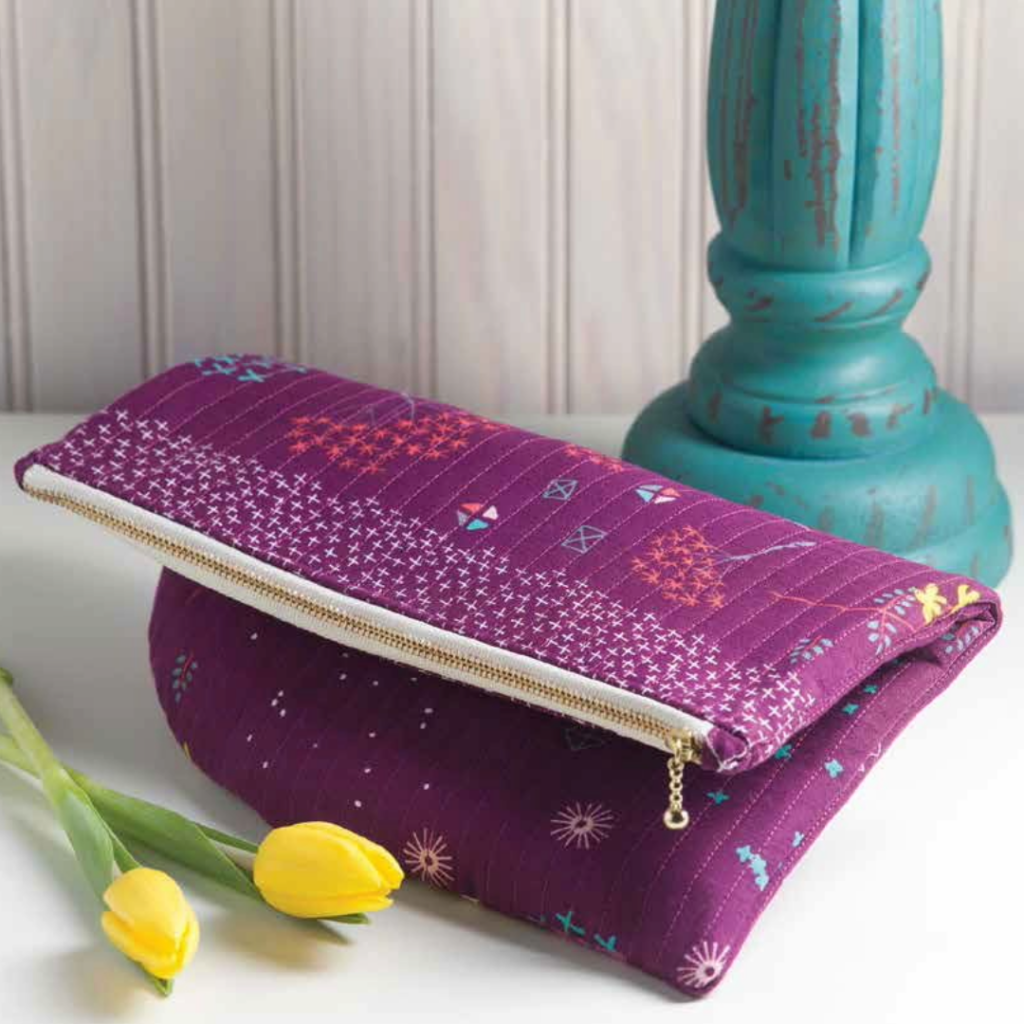
Closed and open views of Diane Rusin Doran's quilted notebook covers.

Figure 1.
Figure 2.

Follow along step-by-step with Pokey and Diane.

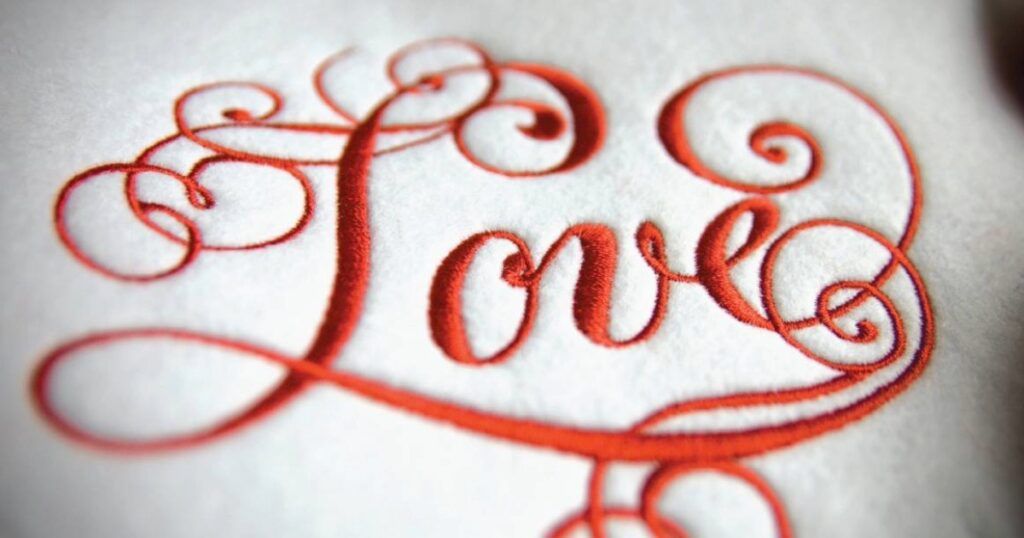
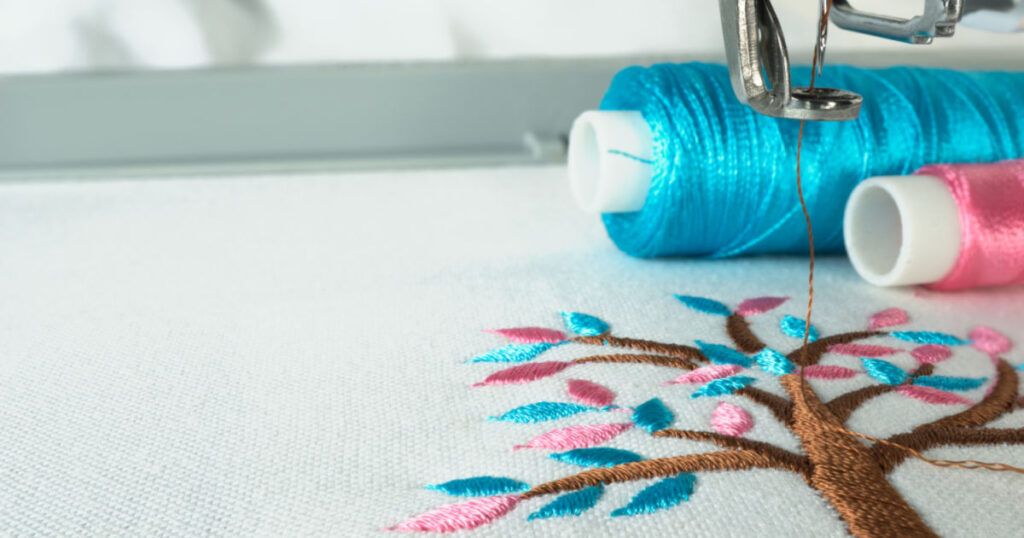
Have fun embellishing the front flap of your notebook cover.
|

|
Sewing With the Pros
When
it comes to understanding sewing techniques, I'm definitely a
"learn-by-doing" type of person. I love taking classes and workshops
because it speeds up my learning process and keeps me from making
unnecessary mistakes. But since I don't have the time and money to run
off to sewing classes every week, I often turn to sewing DVDs for expert
advice and inspiring project ideas. Our sister publication, Quilting Arts, has an excellent PBS show, Quilting Arts TV,
that features all the great techniques and projects you would expect
from the magazine only with live guests and real-time demonstrations. I
love playing the DVD version of each season while I'm sewing because I
can watch one episode after another and replay as many times as I like.
The latest season of Quilting Arts TV
(series 800) features some great sewing projects, and here is one of my
favorites by Diane Rusin Doran. This quilted notebook cover makes a
great gift for a friend (or for yourself), and once you make one I
guarantee you'll want to make more!
Materials
-Fabric
rectangles, one 11" x 24¼" for folio and one 8½" x 10" for flap or
coordinating fabrics pieced and cut to these measurements (If you plan
to quilt either the folio or the flap, cut the pieces slightly larger,
quilt, and then trim to sizes given.)
-Fusible heavyweight interfacing rectangles, 10½" x 12" for folio and 8" x 10" for flap
-Paper-backed fusible web, 2 strips ½" x 10¼" and 2 strips 1½" x 8"
-Button and 6" length of elastic, magnetic snap, or Velcro for closure
-5" x 8" legal pad
-Matching sewing thread
-Optional: Choice of embellishments: stamps, beads, paint, machine embroidery, needlework
Instructions
1.
Iron the 10½" x 12" piece of fusible interfacing to the wrong side of
the larger piece of fabric, centering the interfacing horizontally, and
allowing 8" vertically above the interfacing and 4¼" below it (Figure 1). NOTE: Now
is a great time to embellish the cover with sewing, embroidery,
beading, or the embellishments of your choice. To determine the
placement for stitching and embellishments, note that the "cover" is the
upper 8" of the interfacing rectangle as oriented in Figure 1. The
lower 4" of interfacing will be the inside pocket.
2.
Turn the fabric right side up. Using the interfaced area as a guide,
fold the top of the fabric down and the bottom up so that you are only
seeing un-interfaced fabric (and the wrong side at that). The 11" long
raw edges should meet or slightly overlap, and the side edges should be
even. Decide upon your closure method (see the following Note) and then
sew the side edges, using a ¼" seam allowance (Figure 2). NOTE: If
you are using a magnetic snap for a closure, sew the left edge of the
cover. Determine the placement for the snap and attach the snap half
inside; sew the other edge. If you're using an elastic loop and button
closure (with the front cover over the flap, as in the red sample with
the gold bird), insert the elastic loop before sewing the seam.
3.
Trim the corners. Place the ½" x 10¼" strips of fusible web along the
raw edges that meet/overlap (place 1 strip about ¼" above the raw edge
and the other about ¼" below it, making sure they're centered along the
raw edge). Fuse the strips in place, but do not remove the paper
backing.
4.
Press the seams flat and turn the folio right side out. Carefully
square up the corners and press the folio flat. Edgestitch close to the
top and bottom edges. Reach inside the folio, remove the paper backing
from the fusible web strips, and pat the folio fabric back in place.
Press the folio to fuse the edges that meet.
5.
Now you're ready to make the flap, which can go over or under the
front. If the flap goes over the front it's a wonderful opportunity for
you to have fun with quilting, embellishing, or surface design
techniques. If you're not planning to quilt the flap, center and fuse
the flap interfacing to the wrong side of the flap fabric.
6.
Fold the interfaced flap fabric right sides together to make a 5" x 8½"
rectangle. Sew the short edges, using a ¼" seam allowance (see the
following Note). Trim the corners and press the seams flat. NOTE: If
the flap is going to go over the front and you're planning to use a
loop-and-button closure, you'll need a seam along the flap's long edge
for the elastic. For the peach/yellow folio, I quilted a 5¼" x 8½"
piece of fabric, layered it on a second piece of fabric the same size
(right sides together), and sewed them together along three edges using
a ¼" seam allowance.
7.
Fuse a 1½" x 8" piece of fusible web to the wrong side of the flap
"backing" fabric about ¼" from the unsewn edge. Leave the paper backing
intact. Turn the flap right side out, pressing the edges and turning
out the corners. If you're using a magnetic snap, insert it now.
Edgestitch close to the 3 finished edges. Pull the paper off of the
fusible web and fuse the layers together. Trim the raw edge slightly
with a rotary cutter. Apply the remaining 1½" x 8" piece of fusible web
to the back of the flap, aligning the 8" edge with the raw edge of the
flap.
8.
Place the folio cover right side up. On the left side of the folio,
align the flap with the top edge of the folio, overlapping about 2". (On
the folio, the 4" section of the wrapped edges will extend at the
bottom.) Fuse the flap in place and use a zigzag stitch to sew it to
the folio.
9.
Turn the folio over and turn up the bottom 4" of the folio for the
pockets, making sure the bottom pocket edge is even with the bottom edge
of the flap. You can also use your legal pad as a guide to determine
the exact pocket depth by turning the bottom edge up over the cardboard
back of the legal pad. Edgestitch the pocket in place along the side
edges.
10. Insert the legal pad into the right section
of the pocket. Using a needle, mark about 1/8" from the left side of
the legal pad. Remove the legal pad. Stitch along the marked line; then
stitch 1/8" to the left of it to create the pocket division.
11.
Edgestitch along the bottom of the left pocket. Insert the legal pad
into the right pocket. Close the folio and fold the flap over. Mark the
button placement on the cover or flap. Sew the button in place, making
sure to sew in a shank. Bring the elastic band over the button and
voilà! You have a lovely folio.
This
is the perfect embellished notebook to take to your next sewing
workshop. In the meantime, if you want more hands-on demonstrations of
great projects and fun techniques, check out Quilting Arts TV and get inspired to make something fun right away.
Happy sewing,