|

Aprons with embroidered trims and crochet edging. From the collection of Julia Baratta. (Photo by Joe Coca.)
|

|
Generations of Sewing
I love learning about the history of textiles and fashion because not only can you gain a deeper understanding of the cultural impact of cloth, but you can also add some interesting techniques and design elements from the past to your current sewing repertoire. Historical styles, trends, and techniques regularly get resurrected and seen from a new vantage point, from vintage clothing styles to traditional quilting techniques to classic hand embroidery to smocking.
Our modern fascination with aprons is another great example. A classic symbol of female domesticity, there has been a huge resurgence in interest in aprons over the past few years, from their history and cultural significance to their design details and construction. Many people collect vintage aprons and there are lots of new apron patterns appearing every day.
In the current issue of our sister publication focused on the history of textiles and needlework, PieceWork magazine, I ran across an interesting essay on the design of aprons throughout the years written by apron collector Julia Baratta, along with a tutorial from regular Stitch contributor Erin Gilday on how to make prairie points, a classic apron embellishment. While reading it, I was reminded how every stitch we take connects us to a long line of sewers from generations past.
Creating Style for Utility: Aprons Embellished with Trims
by Julia Baratta
Decorative aprons have been fashionable on and off for years. Ideas for personalizing what would otherwise be just a utilitarian coverall appeared in women's magazines or were passed along from one stitcher to another. These colorful additions included many styles, techniques, and designs, all of which could be interpreted in various ways to make the decorative possibilities virtually limitless. Cross-stitch may well be the most popular of apron embellishments. A simple technique, its basic stitch can be adapted to create striking designs on both solid and print fabrics, from familiar monk's cloth and gingham to unusual fabrics such as dotted Swiss.
|

|

|
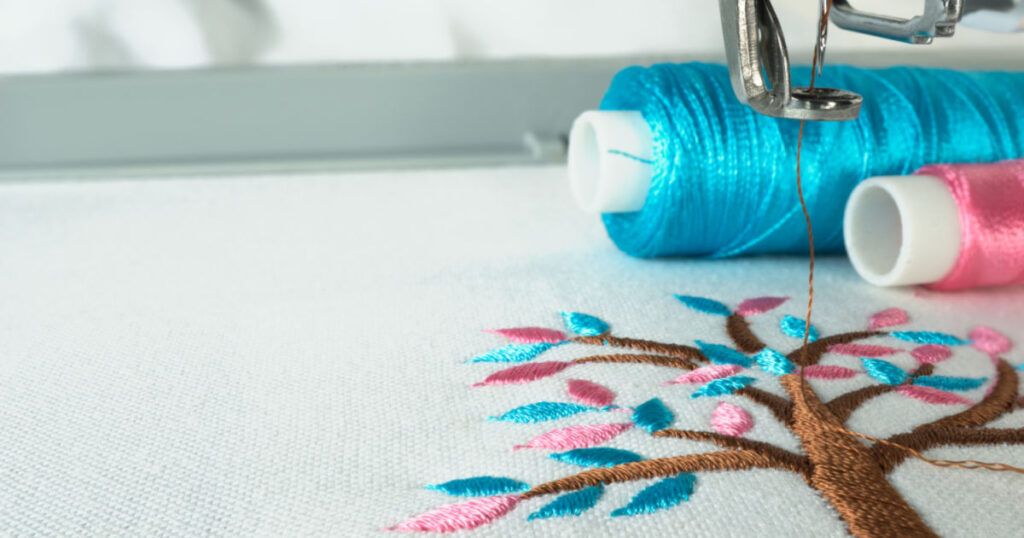
Embroidery runs a close second. Apron kits containing preprinted fabric used to be available widely at dime and department stores as well as via mail order. Iron-on transfer patterns required little more effort or skill. Dozens of techniques are found on vintage aprons, including candlewicking, smocking, Swedish weaving (also called huck embroidery), appliqué (using felt, sequins, or fabric pictures), piecing, needle lace, and pulled-thread work, along with tatted, crocheted, or knitted edgings. With the simplest of tools and materials, a housewife could turn a utilitarian accessory into something fanciful, whimsical, or even beautiful. Each embellished apron that survives has a story to tell; each decorative stitch in the pattern offers clues to that story.
How to Make Prairie Points
by Erin Gilday
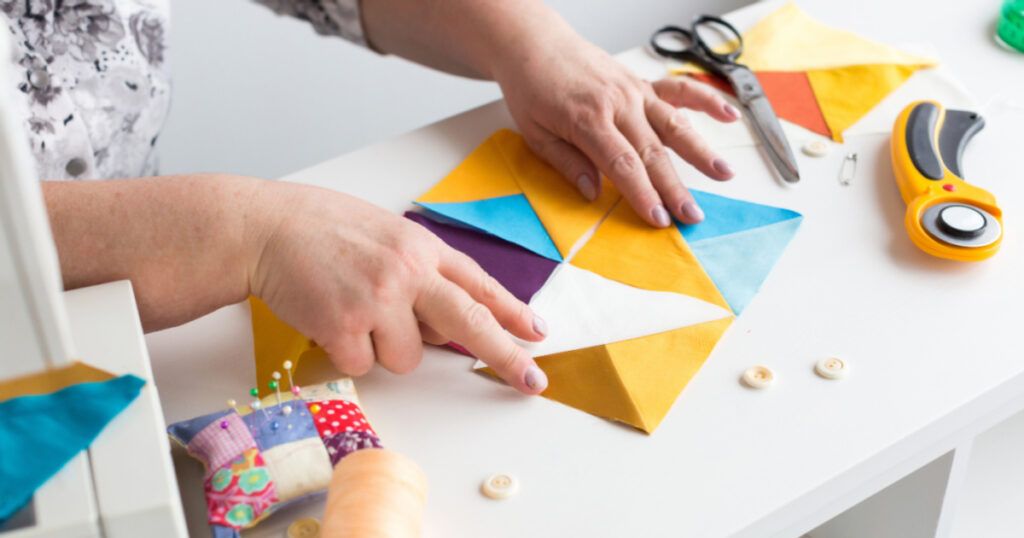
1. Choose a desired finished height (not including seam allowance) for the Prairie Points. Multiply this number by 2. Add ½ inch (1.3 cm) (seam allowance) to that number to determine starting square size.
2. Cut out a square of fabric based on the measurement from Step 1.
3. Fold the square in half with wrong sides facing. Press.
4. Fold each of the corners down so that they meet at the bottom center edge of the Prairie Point (figure 1). Press. The point should be "finished" (folded) on all sides except the bottom edge (figure 2).
5. With right sides facing, pin the Prairie Points along the edge of the apron so that they overlap as shown in the image (figure 3).
6. Continue making Prairie Points until the entire edge of the apron is covered.
7. Stitch the Prairie Points to the edge of the apron using a ¼-inch (6-mm) seam allowance (figure 4). Finish the raw edges with a zigzag stitch, if desired.
8. Press the seam allowance up away from the Prairie Points.
9. Topstitch 1/8 inch (3 mm) away from the seam, catching the apron body and the Prairie-Point seam allowance in the seam (figure 5).
Find inspiration from the past in PieceWork magazine, then add your own interpretation of a traditional design detail or technique to your next sewing project and share it in our forum. I can't wait to see what story you will tell through stitching!
Happy sewing,